

Commercial Urban Wood Milling in the San Francisco Bay Area
Construction-ready urban wood recovery, milling, and material management for commercial projects across the Bay Area
Urban Wood Milling for Commercial and Public Projects
Arborist Now provides commercial-scale urban wood milling and recovery services for developers, property managers, municipalities, and institutional clients. We convert removed trees into usable lumber and materials while maintaining site compliance, safety standards, and construction timelines throughout the San Francisco Bay Area.
Commercial Milling & Urban Wood Solutions at Arborist Now provides professional milling, custom fabrication, and urban lumber supply for commercial, institutional, and public-facing projects.
We work with architects, designers, builders, contractors, landscape architects, and municipalities to transform salvaged urban trees into high-quality wood products for commercial use.
This service bridges urban forestry and professional fabrication—delivering sustainable, locally sourced wood for modern commercial environments.
Commercial Applications We Support
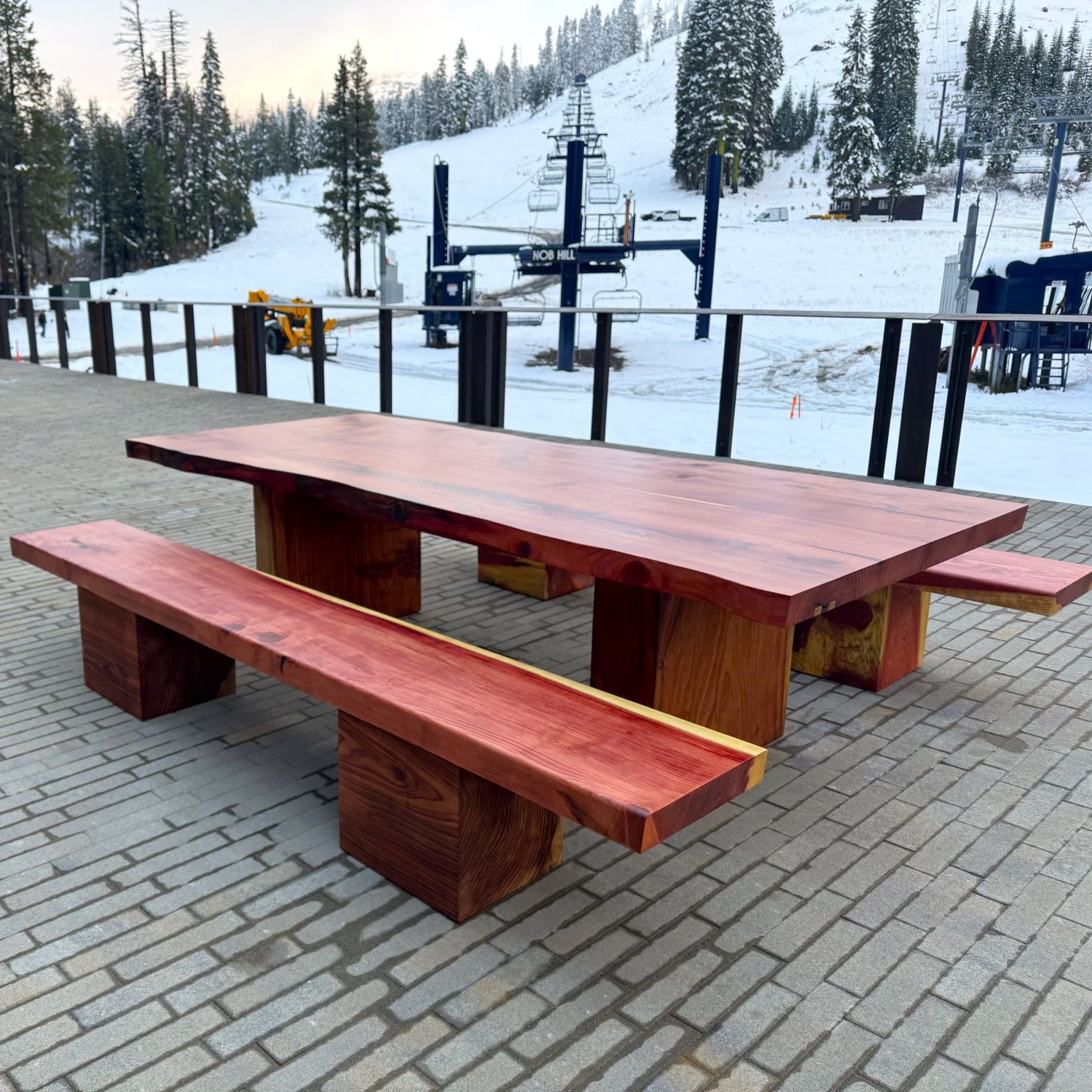
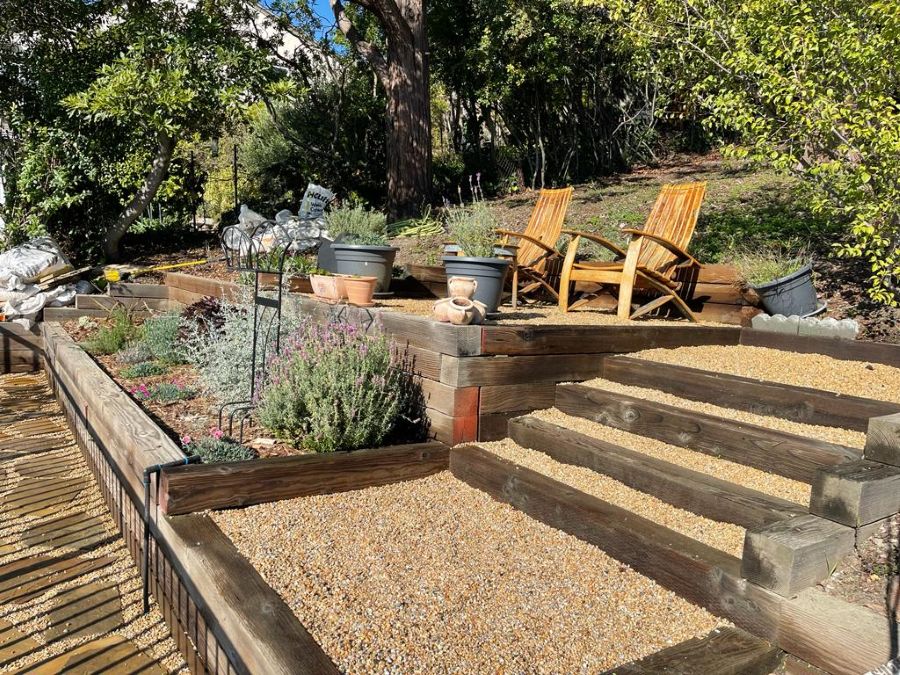
Urban wood works best when the material’s origin is part of the point — a park bench made from a tree that stood on the site, a reception desk milled from a specimen removed during the build, a boardroom table made from a species that no longer grows in the neighborhood. Arborist Now can trace what a piece came from, which is what a designer usually wants and a commercial supplier usually cannot provide.
- Architectural features and structural elements
- Custom benches, tables, and seating
- Public space installations
- Landscape and site furnishings
- Interior and exterior design elements
- Sculptural and artistic projects
Commercial Milling Capabilities
On-Site Milling
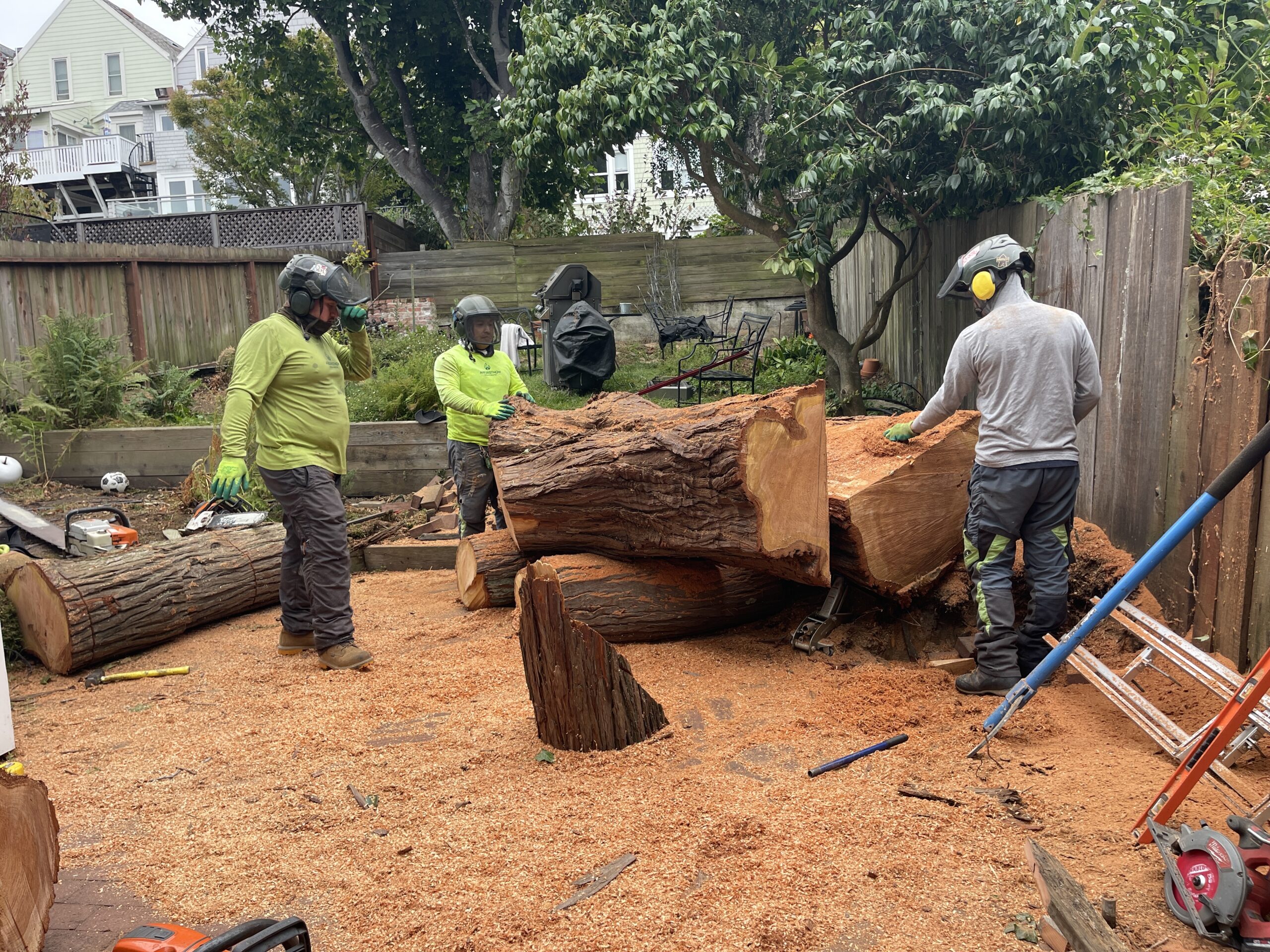
Portable milling at the property, for logs too large to move economically or projects where hauling is impractical. Common on public works and campus sites where a mature tree comes down and the material is going back into the same project. |
Yard-Based Milling
Full production milling at our San Francisco facility. Suits tighter urban sites, larger volumes, and anything that will be drying with us afterward — which is most commercial work, because the yard is where the material sits while it becomes usable. |
Custom Milling Services
Dimensional lumber, slabs, beams, and specialty cuts to specification. Send the cut list or the drawing, and we will tell you what a given log can yield before it is broken down — yield is determined by the tree, not by the order.

Lead times and drying
This is the constraint that decides whether urban wood works on a given project. Arborist Now air dries, which takes roughly one year per inch of thickness. A three-inch slab cut from a tree removed today is not usable material until well into a multi-year schedule, and no amount of scheduling pressure changes that — wood dried too fast checks, splits, and moves after installation.
There are two ways round it. The first is to specify from our existing dried inventory, which is material milled from trees removed years ago and already stable. The second is to mill early — if a tree is coming down during demolition or site clearance and the material is wanted for the finished building, the milling happens at the start of the project rather than when interiors are being specified.
Bring us in during design rather than at fit-out. The difference between those two moments is usually the difference between urban wood being feasible on the project and being a nice idea that gets value-engineered out.
Working on active construction sites
Milling on a live job site is a different operation from milling in a yard. Arborist Now is licensed (CA 961415), insured, and CTSP #03302 certified, and works alongside general contractors as a subcontractor rather than as a supplier delivering to the gate.
In practice that means coordinating with the site team on staging, access, and sequencing — where the mill sets up, where the logs are stacked, how material leaves, and when all of that can happen without holding up another trade. On public works projects, Arborist Now is prevailing wage ready, which is what allows the same team to carry across publicly funded and private work.
The decision that matters most comes before any of it: whether a tree being removed is going to be milled. Say so before the removal is scheduled. How a tree is felled and sectioned determines what can be cut from it, and a trunk cut for disposal cannot be recovered.
Urban Wood Inventory for Commercial Use
We maintain a curated inventory of locally salvaged urban wood available for commercial projects.
Typical species may include:
- Oak
- Elm
- Eucalyptus
- Redwood
- Giant Sequoia
- Blackwood Acacia
Inventory varies with what comes down — it is salvage, not production, so a species available this quarter may not be next. Several of these rarely reach commercial lumber yards at usable width. Mature coast live oak and blackwood acacia in the Bay Area commonly yield slabs wide enough for a table top from a single board, which is uncommon in commercially available hardwood. If a project depends on a specific species or dimension, tell us early so it can be held or sourced rather than hoped for.
Custom Commercial Fabrication
Beyond milling, Arborist Now fabricates finished pieces for commercial projects — benches, tables, reception and counter surfaces, architectural elements, and site furnishings. We build from the slab outward, so the piece is designed around what the wood actually is rather than forcing the wood into a drawing. For projects with a specification already drawn, send it, and we will tell you what is achievable from the available material and what would need to change. Fabrication capacity is finite, so larger commissions need to be discussed early in the program. |


Integrated Urban Forestry and Material Recovery
Arborist Now is a tree care company that mills, not a lumber supplier that sources. The trees come out of removals our own crews perform across San Francisco and the Bay Area, which means the material has a known origin, a known reason for removal, and a known date. For projects with sustainability requirements or a client who wants to know where the material came from, that traceability is the whole value. A slab from a commercial supplier has a species and a price. A slab from a tree that stood two miles from the site has a story that can be told in a lobby. |
The Commercial Urban Wood Process
- Project consultation and material assessment
- Log sourcing or urban salvage
- Custom milling and processing
- Drying and finishing
- Fabrication or material delivery
- Optional installation and coordination

Why Arborist Now for commercial urban wood
The arborists who remove the tree are the ones who mill it
Licensed (CA 961415), insured, and CTSP #03302 certified
Portable mill for on-site work plus a San Francisco production yard
Drying inventory — specify material that has already done the waiting
Prevailing wage ready for public works projects
Milling Bay Area trees since 2010
Residential Tree Care Across the Bay Area
Arborist Now provides residential tree care services throughout San Francisco and the surrounding Bay Area. Our team understands the challenges of working in tight residential spaces, varied soil conditions, and urban tree environments common to the region. Homeowners rely on us for professional guidance, safe execution, and dependable results.
Commercial Milling & Urban Wood FAQs
What types of commercial projects do you support?
Arborist Now supplies and fabricates urban wood for commercial, institutional, and public projects — offices and lobbies, parks and public spaces, campuses, hospitality and retail interiors, and landscape and site furnishing. We work with architects, designers, landscape architects, general contractors, and municipalities. |
Do you provide dimensional lumber and large slabs?
Yes. Arborist Now mills dimensional lumber, slabs, beams, and specialty cuts to specification. Yield is determined by the tree rather than the order, so send a cut list or drawing and we will confirm what a given log can produce before it is broken down. |
Can you mill wood from development or infrastructure removals?
Yes. Trees removed during demolition, site clearance, or infrastructure work can be milled on site or hauled to our San Francisco yard. Tell us before the removal is scheduled — how a tree is felled and sectioned determines what can be cut from it, and a trunk cut for disposal cannot be recovered. |
Do you offer installation services?
Yes. Arborist Now can install finished pieces where installation is part of the scope, including built-in and architectural work, coordinating with the site team on sequencing. |
Is urban wood suitable for structural or outdoor use?
Yes. Arborist Now can install finished pieces when installation is part of the scope, including built-in and architectural work, and coordinate sequencing with the site team. |
How long does urban wood take to dry?
Arborist Now air dries, which takes roughly one year per inch of thickness. A three-inch slab from a tree removed today is a multi-year lead time. For projects on a construction schedule, specifying from our existing dried inventory is usually the workable route.
When should we involve you in a project?
During design, not at fit-out. Whether a tree on the site can supply material for the finished building is decided before the removal happens, and drying time means material specified late usually cannot be delivered on schedule. Early involvement is generally the difference between urban wood being feasible and being value-engineered out.
Can you work on active construction sites?
Yes. Arborist Now works as a subcontractor rather than a supplier delivering to the gate — coordinating with the site team on staging, access, and sequencing. We are licensed, insured, CTSP certified, and prevailing wage ready for publicly funded work.
Where does the wood come from?
Trees removed by Arborist Now’s own crews across San Francisco and the Bay Area. That means known origin, known reason for removal, and a known date — which is what makes traceability possible on projects where the material’s provenance matters.
What species do you typically have available?
Inventory varies with what comes down, but commonly includes coast live oak, elm, eucalyptus, redwood, giant sequoia, and blackwood acacia. Several rarely reach commercial lumber yards at usable width. If a project depends on a specific species or dimension, tell Arborist Now early so it can be held or sourced.
Ready to care for your trees?
Contact us today for a residential tree consultation and expert guidance from certified arborists.