

Residential Tree Pruning in San Francisco
Residential tree pruning planned around the tree, the home, and the reason for the work, from dead branches and roof clearance to long-term structure.
Residential Tree Pruning & Structural Pruning Services
Tree pruning should solve a clear problem. A branch may be dead, cracked, growing over the roof, blocking a walkway, or competing with the tree’s main structure. Cutting without a reason can remove healthy growth without improving the tree.
Arborist Now has cared for Bay Area residential trees since 2010. During the free initial consultation, an ISA-certified arborist reviews the tree, the property, and the reason for pruning. The recommended work is based on the tree’s condition, growth pattern, available access, and what surrounds it.
If pruning is not the right answer, review our residential tree care services for removal, plant health care, and other options.
When Tree Pruning Is Necessary
Dead, broken, or weakened branches. Removing compromised branches can reduce the chance of them falling onto a roof, driveway, walkway, garden, or neighboring property.
Poor or competing structure. Young and mature trees may benefit from selective pruning when branches cross, rub, grow too closely together, or compete with the main leader.
Clearance around the home. Branches growing toward a roof, chimney, fence, walkway, or neighboring property may need careful reduction rather than a broad trimming of the entire crown. Learn what to consider when tree branches hang over a roof.
Disease, damage, or changing growth. Selective pruning may remove affected wood or improve the tree’s structure after damage. These signs that a tree may need pruning can help a homeowner know when to request an evaluation.
Our Residential Tree Pruning Process
Free Initial Consultation
An ISA-certified arborist reviews the tree, the reason for pruning, nearby structures, and access to the work area. The initial consultation is free. A formal Arborist Consultation for reports or professional documentation is a separate paid service.
Pruning Plan
The arborist identifies which branches to remove or reduce and why. The plan considers tree structure, health, clearance needs, and how much living growth can reasonably be removed.
Property Protection
Before cutting begins, the crew plans access and identifies the roofs, fences, hardscape, irrigation, plantings, and neighboring property that need protection.
Controlled Pruning
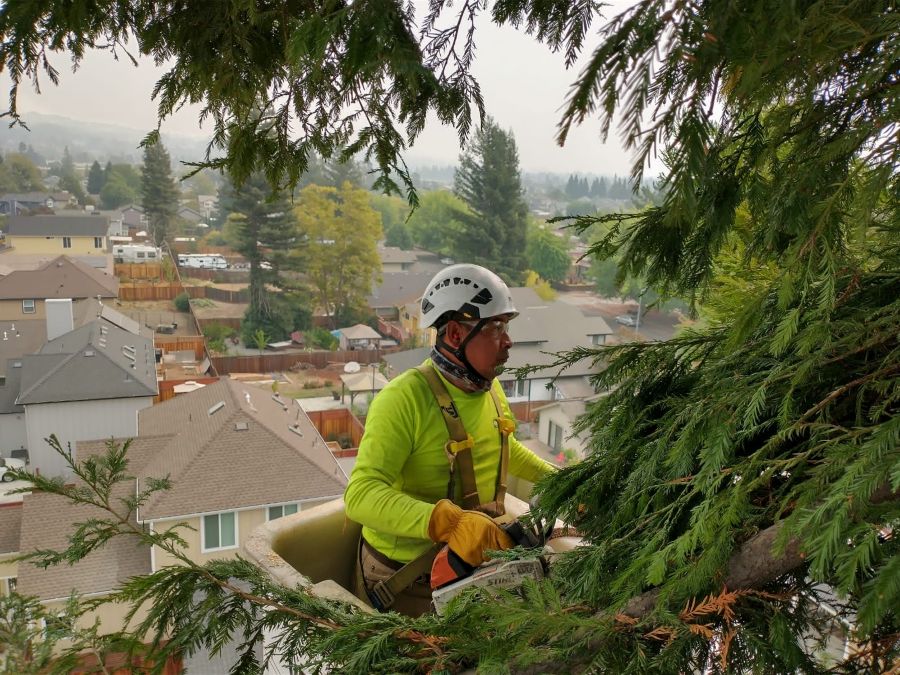
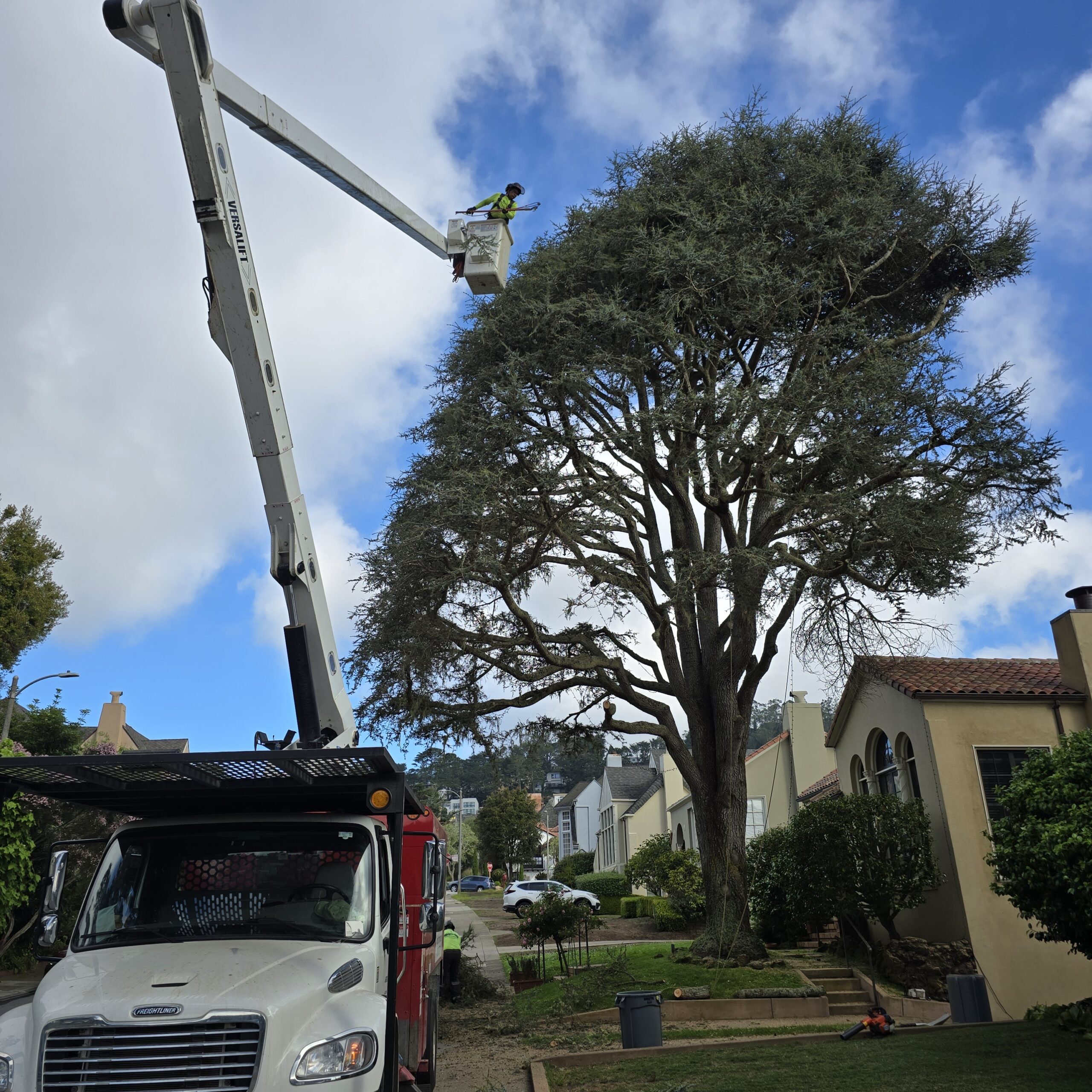
Branches are removed or reduced using methods suited to the tree and site. Work may involve climbing, rigging, or other access methods when branches cannot be lowered freely.
Cleanup & Next Steps
Cut branches and debris are removed from the work area. If the arborist identifies a separate concern involving tree health, stability, or future maintenance, it is explained before additional work is recommended.
Seasonal Pruning Considerations
There is no single pruning season for every Bay Area tree. Species, age, condition, flowering cycle, and the purpose of the work all affect timing. Dead, diseased, or damaged branches may need attention whenever they are found. Structural pruning is often planned for a period that suits the species, while some flowering trees are pruned after bloom to avoid removing the next set of flower buds. The free initial consultation is used to recommend timing for the individual tree.
Why Homeowners Choose Arborist Now
- ISA-certified arborists involved in residential pruning planning
- CA License 961415, insured crews, and CTSP #03302
- Bay Area residential tree-care experience since 2010
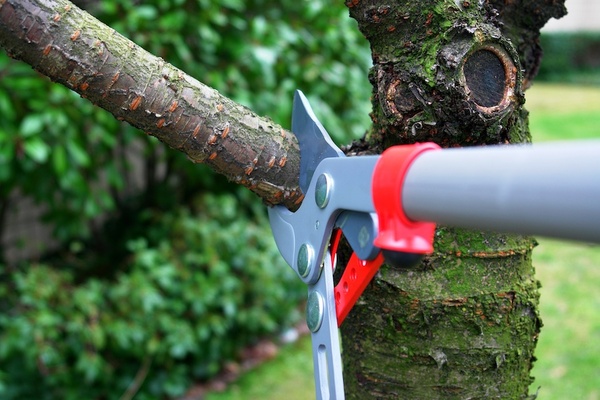
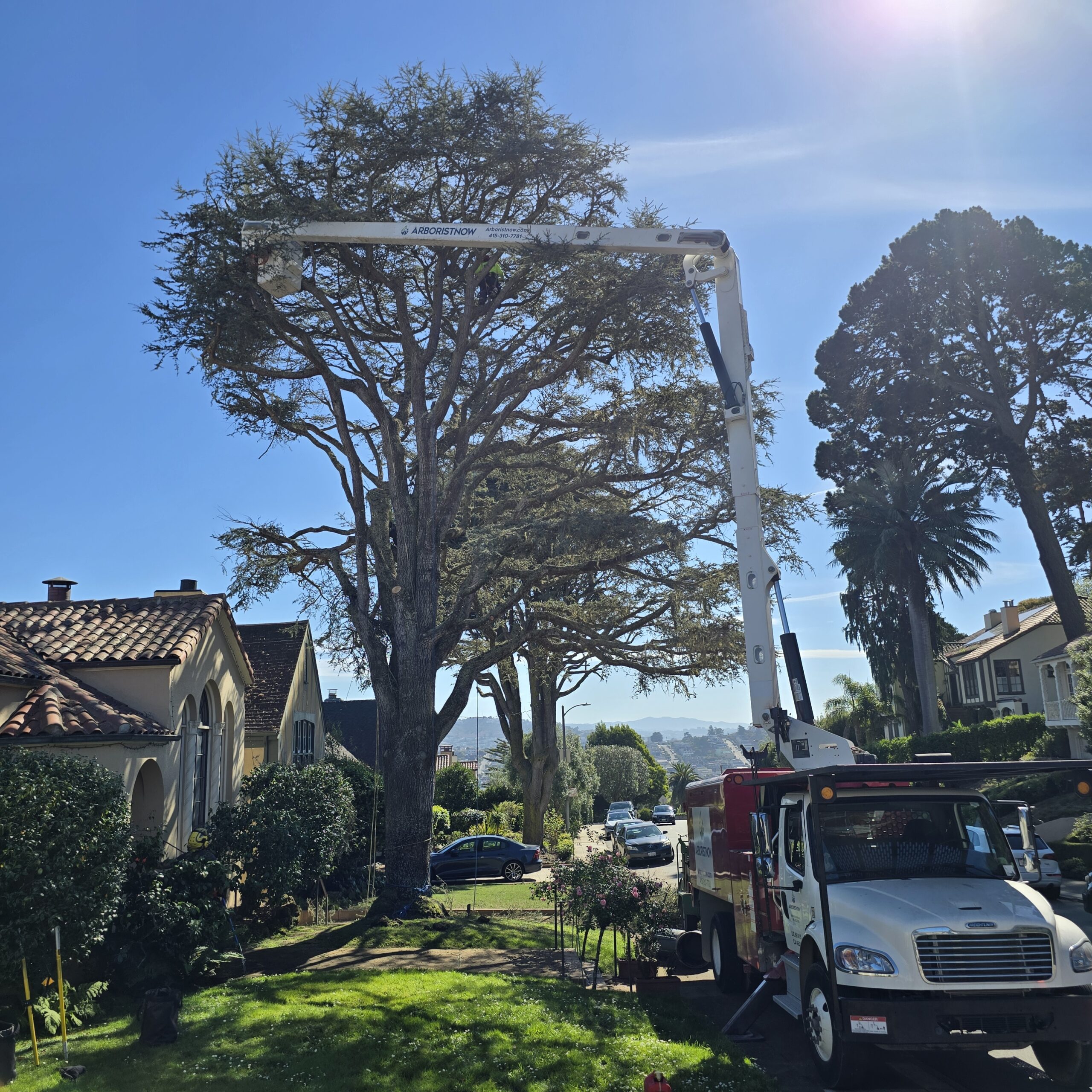
- Pruning planned for homes, tight access, and surrounding property
- Cleanup and debris handling included in the work plan
Where We Provide Residential Tree Pruning Services
Arborist Now provides residential tree pruning in San Francisco and surrounding Bay Area communities. Check our residential service areas to see whether your property is within the current service area.
Residential Tree Pruning FAQs
Do you offer both cosmetic and structural pruning?
Yes. The reason for the work comes first. Structural pruning may address weak, crossing, or competing branches, while appearance can be considered when it does not conflict with the tree’s health or sound pruning practices. Arborist Now will explain what the proposed cuts are meant to accomplish before the work is scheduled.
How often should residential trees be pruned?
There is no fixed schedule for every tree. Many mature trees may be reviewed every three to five years, but young trees, fast-growing species, storm damage, or new clearance conflicts can call for an earlier evaluation. The appropriate timing depends on the tree and the property.
Can pruning reduce the risk of storm damage?
Pruning can reduce specific risks by removing dead, damaged, weakly attached, or overextended branches and by correcting certain structural problems. It cannot make a tree storm-proof. An arborist should identify the branches that create a concern rather than removing growth without a clear purpose.
Do you prune trees near homes and power lines?
Arborist Now prunes trees around homes, fences, gardens, walkways, and other structures. Work near energized power lines requires trained, line-clearance-qualified personnel and may require coordination with PG&E. Keep people and tools at least 10 feet from power lines. If utility lines are involved, mention them when requesting the free initial consultation so the correct next step can be identified. PG&E provides current homeowner guidance on trees and power lines.
Is cabling and bracing a permanent solution?
No. Cabling or bracing is not appropriate for every tree, and any installed support system requires periodic inspection and maintenance as the tree grows and conditions change. A paid Arborist Consultation may be appropriate when a formal structural assessment or documentation is needed.
Start with a free initial consultation. An ISA-certified arborist will review the tree, the reason for pruning, and what surrounds the work area before recommending the next step.