Understanding Tree Structural Challenges in Modern Landscapes
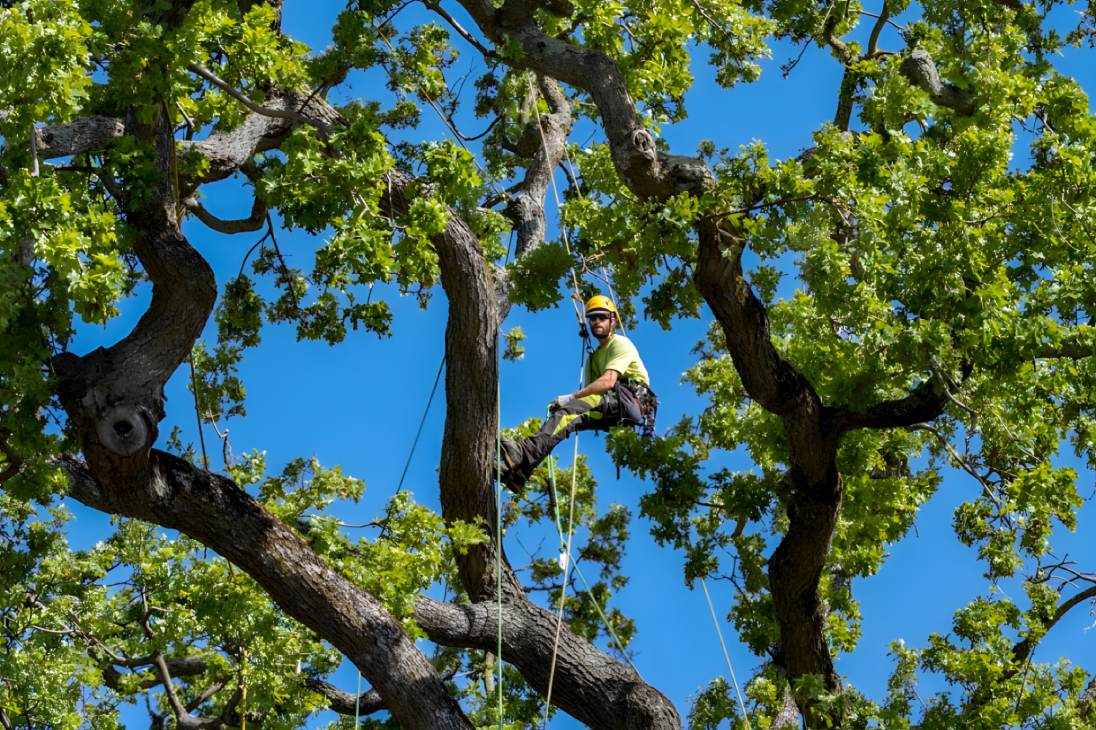
Trees are living monuments that provide beauty, shade, and environmental benefits to our landscapes. However, they are not immune to structural weaknesses that can compromise their health, safety, and longevity. Structural defects in trees can pose significant risks to property, people, and the trees themselves, making proactive support solutions critical for responsible tree management.
Static tree cabling emerges as a sophisticated intervention strategy that addresses these challenges, offering a lifeline to trees with compromised structural integrity. By providing targeted support, this technique helps property owners preserve valuable trees while mitigating potential hazards.
The Critical Role of Structural Support in Arboriculture
Modern arboriculture recognizes that trees are dynamic organisms constantly responding to environmental stresses. Structural support systems like static tree cabling have evolved from rudimentary approaches to sophisticated engineering solutions that balance tree health, safety, and natural growth patterns.

What is Static Tree Cabling?
Defining a Professional Tree Support Technique
Static tree cabling is a specialized structural support system designed to reinforce trees with compromised branch unions or weak limb configurations. Unlike dynamic cabling, which allows flexible movement, static cabling provides a more rigid support mechanism that limits limb motion to prevent potential structural failure.
Key Components of Static Cabling Systems
A typical static tree cabling system comprises:
- High-strength galvanized or stainless steel cables
- Specialized hardware including eyebolts, lag hooks, cable clamps, cable thimbles
- Corrosion-resistant attachment mechanisms
Distinguishing Static vs. Dynamic Cabling
Static Cabling Characteristics:
- Provides rigid, fixed support
- Ideal for advanced structural defects
- Minimizes limb movement
- Best for mature trees with significant structural challenges
Dynamic Cabling Characteristics:
- Allows controlled natural movement
- Suitable for younger trees
- Supports less severe structural issues
- Promotes natural tree development
When Static Tree Cabling Becomes Essential
Identifying Trees That Require Structural Support
Critical scenarios demanding static tree cabling include:
1. Multi-stemmed Trees
- Prone to splitting at primary unions
- High risk of catastrophic failure
- Requires precise support to maintain structural integrity
- V-shaped stem unions
- Codominant stem structures
- High potential for included bark development
- Areas with frequent severe storms
- High-traffic locations
- Proximity to structures or public spaces

Tree Species Most Susceptible to Structural Challenges
Some tree species are more prone to structural weaknesses:
- Oak trees (especially live oak and red oak varieties)
- Maple trees (silver and red maples)
- Elm trees
- Ornamental multi-stemmed species
- Fruit trees with heavy branching
Benefits of Professional Static Tree Cabling
Structural and Safety Advantages
Static tree cabling offers comprehensive benefits:
1. Preventing Catastrophic Limb Failure
- Reduces sudden branch breakage risks
- Protects property and human safety
- Minimizes potential litigation risks
- Improves trees’ resistance to wind and storm damage
- Supports long-term tree health
- Prevents premature tree removal
- Preserves mature trees crucial for ecosystem services
- Maintains urban forest canopy
- Reduces carbon footprint associated with tree replacement
- Protects wildlife habitats within tree structures
The Static Tree Cabling Installation Process
Professional Assessment and Planning
Successful static tree cabling requires meticulous professional evaluation:
1. Comprehensive Tree Inspection
- Detailed structural analysis
- Identification of specific weakness points
- Evaluation of overall tree health
- Determining optimal cable placement
- Selecting appropriate hardware
- Calculating precise tension requirements
Technical Installation Methodology
Key steps in professional static tree cabling:
- Precise location marking
- Noninvasive hardware installation
- Strategic cable placement
- Careful tension adjustment
- Comprehensive system validation
Best Practices for Cable Placement
Critical guidelines include:
- Install cables approximately two-thirds up the tree’s height
- Avoid over-tensioning to allow natural growth
- Use corrosion-resistant hardware
- Minimize direct contact with living tree tissues
- Create balanced support across multiple attachment points

Maintenance and Long-Term Care
Ongoing Inspection Protocols
Recommended maintenance schedule:
- Annual professional inspections
- Post-major storm evaluations
- Immediate assessment after observable damage
Critical Monitoring Points
Inspect for:
- Cable tension integrity
- Hardware corrosion
- Signs of tree tissue response
- Potential new structural developments
Potential Maintenance Interventions
- Cable re-tensioning
- Hardware replacement
- System upgrades
- Complementary pruning strategies
Cost Considerations and Investment Analysis
Factors Influencing Cabling Costs
Price variables include:
- Tree size and complexity
- Number of support points required
- Accessibility of tree location
- Regional labor rates
- Specific hardware requirements
Long-Term Value Proposition
While initial investment ranges from $500-$2,500 depending on complexity, static tree cabling:
- Prevents potential property damage
- Extends tree lifespan
- Reduces future removal and replacement costs
- Maintains landscape aesthetic and environmental value
Choosing a Qualified Tree Cabling Professional
Essential Professional Credentials
Look for:
- ISA (International Society of Arboriculture) certification
- Specific training in structural support systems
- Comprehensive insurance coverage
- Demonstrable experience with complex tree support projects
- Positive local references and reviews
Conclusion: Investing in Tree Preservation and Safety
Static tree cabling represents a sophisticated, proactive approach to tree management. By addressing structural vulnerabilities before they become critical, property owners can preserve valuable landscape assets, enhance safety, and contribute to urban forest health.
Arborist Now combines scientific expertise, advanced techniques, and a commitment to environmental stewardship. Our professional static tree cabling services provide targeted, effective solutions tailored to your specific tree care needs.
Ready to protect and preserve your trees? Contact Arborist Now today for a comprehensive tree structural assessment and personalized cabling consultation.